PIH Engage: “A Way To Keep the Despair at Bay”
PIH Engage Team Coordinator for the University of Nevada, Reno, Emma Charles, shares their reflection on Engage’s annual Training Institute and finding inspiration in the movement.
Posted on Sep 2, 2026

Editor's note: This is a first-person reflection written by Engager Emma Charles.
I first heard about Partners In Health (PIH) Engage when I was in Washington, D.C., for my first time, meeting with congressional staffers to advocate for greater funding for tuberculosis (TB) programs both in the U.S. and abroad as part of PIH's annual TB Hill Day.
We were there shortly after the U.S. Agency for International Development (USAID) was dismantled, and funding began being withheld, leading to an air of tension and desperation. I was there not because I was particularly knowledgeable about TB or had any experience with advocacy. I was there simply because it was a way to keep the despair at bay.
I had heard of PIH before that day, though; I’ve been following the content of John and Hank Green since early high school, and they have long been supporters of PIH’s work. (John is the reason I got involved with TB advocacy.) I’ve also taken numerous anthropology classes while in college, and Paul Farmer’s name is often spoken with the utmost respect. Those lectures left me with the firm belief that health care is a human right, and no human is “unsustainable.”
While in D.C. that first time, I met more people than it felt like I could even count, all of us with our attention oriented in the same direction, all trying to claw back whatever lost progress we could. But in between the TBFighters, PIHers, and members of We Are TB, there were a few people who, when asked what group they were with, mentioned PIH Engage.
When I got home from that trip, full of excitement and energy at actually having been able to do something, I looked up what PIH Engage was. I learned that it’s a grassroots movement that mobilizes people (mostly students, but also general community members) towards the right to health.
There was no team at my school, the University of Nevada, Reno, so I started one with a couple of good friends.
Part of the appeal of Engage for me is that it’s been around for over a decade. There is structure, coaching, support, reporting forms, goals, and everything that you need to organize a group of people. One aspect of all of this structure is the annual training institute (TI), where we all gather in D.C., attend two days of training, and conclude the weekend with one day out on Capitol Hill asking our representatives to support global health.
TI is, simply put, really wonderful.
It brings together Engagers from teams all over the country, everyone from pre-med students to professional software engineers. (Though it is still mostly pre-med students, understandably.)
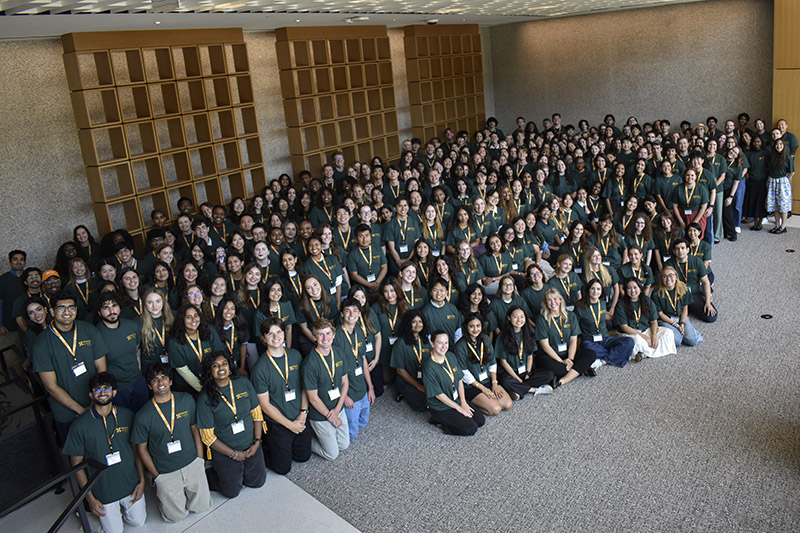
This year’s TI, which was held over a weekend in August, was my second time attending.
My favorite event of the whole training took place during the afternoon of the first day, when Vincent Lin, David Bryden, and Emily Bass spoke with us about building community movements. Their discussion recontextualized Engage’s work (and other advocacy) for me. I’ve viewed the movement to increase access to health care and prevent needless death as a fight we are in just in this current moment.
But, they spoke about how our work fits with the AIDS activism that came before us, and with other movements that have strived to make the world a better place. We are using similar tactics as many of these groups, and we are driven by similar ideals.
In many ways, things are worse now than they have been in the past for the right to health movement. The current administration is actively seeking to tear down global health programming and funding while not even acknowledging past harm that has contributed to current health disparities. We are taking steps back, while forward feels like it should be the natural way of things.
In the last two years, I have often been reminded of a poem by Clint Smith, “When people say, ‘we have made it through worse before,’” which contains the following lines:
Sometimes the moral arc of the universe / does not bend in a direction that will comfort us. / Sometimes it bends in ways we don’t expect & there are / people who fall off in the process. Please, dear reader, / do not say I am hopeless, I believe there is a better future / to fight for, I simply accept the possibility that I may not / live to see it.
It sometimes feels like a bleak way to view this fight. This panel, however, reminded me that we have pushed through before, and we will do so again. And if I can help make that future fight easier for another college student fifty years from now, it’ll be worth it.
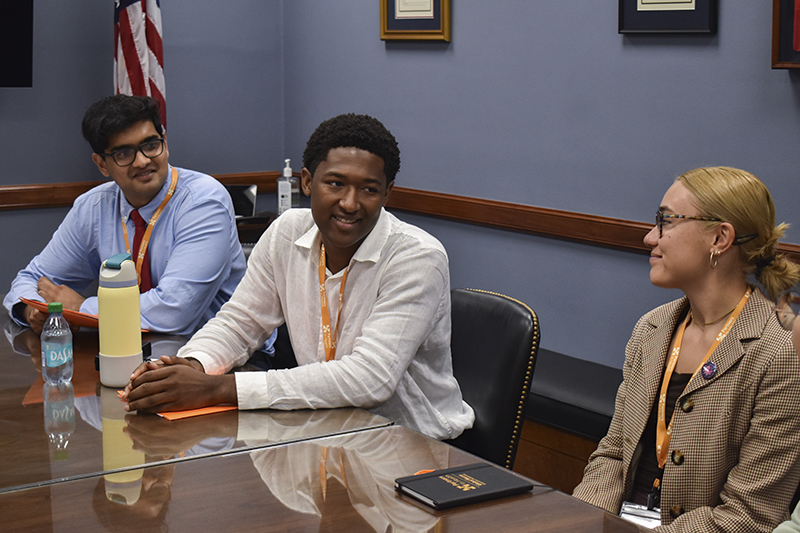
Even though calling my representatives, attending in-person meetings during Hill Days, and even joining the occasional protest can often feel like I’m just yelling into an uncaring void, I try to remember that this is how we lay the foundation for greater change in the future. And, in more ways than one, we are not alone in this.
Advocates from previous movements are not often visible in our day-to-day lives, and, when working on a small scale in my local community, it can be hard to remember that there are others doing this same work around the world.
When we come together in person at TI, it serves as a much-needed reminder that we are not operating in a bubble, and it gives me the motivation to continue devoting my attention to global health in the hope that we will see things start to get better again. And one day, we will be able to surpass where we were back in 2024.
I wish that it could happen now, that this meaningless suffering would just stop. That is how it should be, but that is not how it is.
But we will fight for that better future together; we will continue yelling into that void until it starts listening, and the more voices that join us, the louder our cry.
And when I start to feel like we aren’t making progress, like I am alone in this, I know that’s when the next TI will roll around. And I will be reminded that there are others, both with us now and who have had similar goals in the past, and that will be enough to keep me going until the next time I can gather with others on Capitol Hill.
Organize with PIH Engage
Read about the efforts of Engagers around the country and how you can join a team in your community.